
Greed and Profit
When respect, ethics and morality is lost in the morass of profit
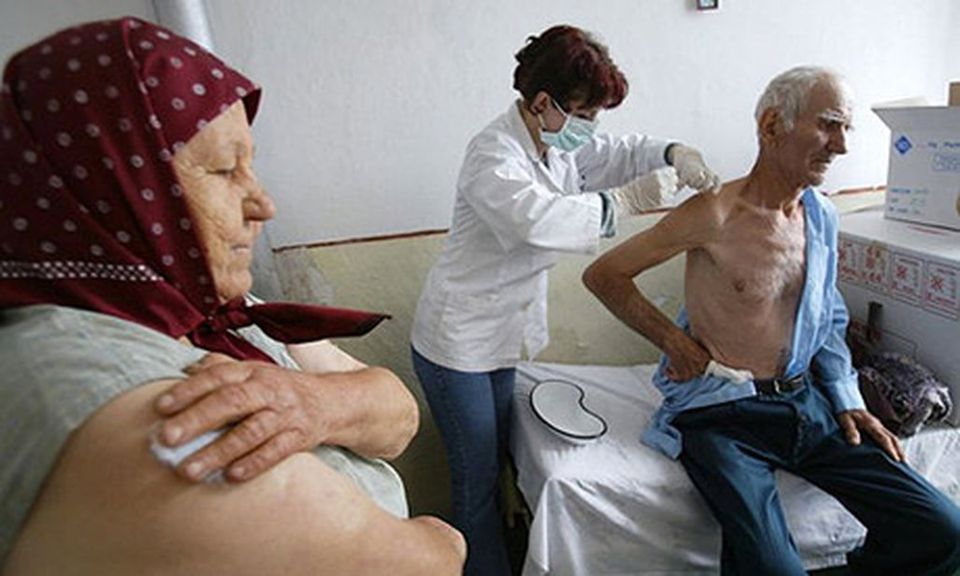
Bribes for basic care in Romania (EU) - Corruption in Romania
is considered a major problem.
Corruption
In general, corruption is a form of dishonesty or criminal activity undertaken by a person or organisation entrusted with a position of authority, often to acquire illicit benefit, or, abuse of entrusted power for one's private gain. Corruption may include many activities including bribery and embezzlement, though it may also involve practices that are legal in many countries. Political corruption occurs when an office-holder or other governmental employee acts in an official capacity for personal gain. Corruption is most commonplace in kleptocracies, oligarchies, narco-states and mafia states.
Corruption can occur on different scales. Corruption ranges from small favors between a small number of people (petty corruption), to corruption that affects the government on a large scale (grand corruption), and corruption that is so prevalent that it is part of the everyday structure of society, including corruption as one of the symptoms of organized crime. Corruption and crime are endemic sociological occurrences which appear with regular frequency in virtually all countries on a global scale in varying degree and proportion. Individual nations each allocate domestic resources for the control and regulation of corruption and crime. Strategies to counter corruption are often summarized under the umbrella term anti-corruption.
Nepotism is based on favour granted to relatives in various fields, including business, politics, entertainment, sports, religion and other activities. The term originated with the assignment of nephews to important positions by Catholic popes and bishops. Trading parliamentary employment for favors is a modern-day example of nepotism. Criticism of nepotism, however, can be found in ancient Indian texts such as the Kural literature.
Cronyism is the practice of partiality in awarding jobs and other advantages to friends, family relatives or trusted colleagues, especially in politics and between politicians and supportive organisations. For instance, this includes appointing "cronies" to positions of authority, regardless of their qualifications. Cronyism exists when the appointer and the beneficiary such as an appointee are in social or business contact. Often, the appointer needs support in his or her own proposal, job or position of authority, and for this reason the appointer appoints individuals who will not try to weaken his or her proposals, vote against issues, or express views contrary to those of the appointer. Politically, "cronyism" is derogatorily used to imply buying and selling favors, such as: votes in legislative bodies, as doing favors to organisations, giving desirable ambassadorships to exotic places, etc
In the private sector, cronyism exists in organisations, often termed "the old boys club" or "the golden circle", again the boundary between cronyism and "networking" is difficult to delineate - Source
In general, corruption is a form of dishonesty or criminal activity undertaken by a person or organisation entrusted with a position of authority, often to acquire illicit benefit, or, abuse of entrusted power for one's private gain. Corruption may include many activities including bribery and embezzlement, though it may also involve practices that are legal in many countries. Political corruption occurs when an office-holder or other governmental employee acts in an official capacity for personal gain. Corruption is most commonplace in kleptocracies, oligarchies, narco-states and mafia states.
Corruption can occur on different scales. Corruption ranges from small favors between a small number of people (petty corruption), to corruption that affects the government on a large scale (grand corruption), and corruption that is so prevalent that it is part of the everyday structure of society, including corruption as one of the symptoms of organized crime. Corruption and crime are endemic sociological occurrences which appear with regular frequency in virtually all countries on a global scale in varying degree and proportion. Individual nations each allocate domestic resources for the control and regulation of corruption and crime. Strategies to counter corruption are often summarized under the umbrella term anti-corruption.
Nepotism is based on favour granted to relatives in various fields, including business, politics, entertainment, sports, religion and other activities. The term originated with the assignment of nephews to important positions by Catholic popes and bishops. Trading parliamentary employment for favors is a modern-day example of nepotism. Criticism of nepotism, however, can be found in ancient Indian texts such as the Kural literature.
Cronyism is the practice of partiality in awarding jobs and other advantages to friends, family relatives or trusted colleagues, especially in politics and between politicians and supportive organisations. For instance, this includes appointing "cronies" to positions of authority, regardless of their qualifications. Cronyism exists when the appointer and the beneficiary such as an appointee are in social or business contact. Often, the appointer needs support in his or her own proposal, job or position of authority, and for this reason the appointer appoints individuals who will not try to weaken his or her proposals, vote against issues, or express views contrary to those of the appointer. Politically, "cronyism" is derogatorily used to imply buying and selling favors, such as: votes in legislative bodies, as doing favors to organisations, giving desirable ambassadorships to exotic places, etc
In the private sector, cronyism exists in organisations, often termed "the old boys club" or "the golden circle", again the boundary between cronyism and "networking" is difficult to delineate - Source
Food safety scandals
Incidents have occurred because of poor harvesting or storage of grain, use of banned veterinary products, industrial discharges, human error and deliberate adulteration and fraud.
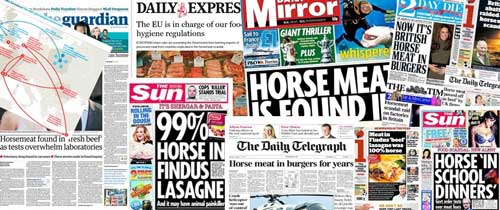
The 2013 horse meat scandal was a scandal in parts of Europe in which foods advertised as containing beef were found to contain undeclared or improperly declared horse meat – as much as 100% of the meat content in some cases. A smaller number of products also contained other undeclared meats, such as pork. The issue came to light on 15 January 2013, when it was reported that horse DNA had been discovered in frozen beefburgers sold in several Irish and British supermarkets.
The analysis stated that 23 out of 27 samples of beef burgers also contained pig DNA; pork is a taboo food in the Muslim and Jewish communities.
The 2013 horse meat scandal was a scandal in parts of Europe in which foods advertised as containing beef were found to contain undeclared or improperly declared horse meat – as much as 100% of the meat content in some cases. A smaller number of products also contained other undeclared meats, such as pork. The issue came to light on 15 January 2013, when it was reported that horse DNA had been discovered in frozen beefburgers sold in several Irish and British supermarkets.
The analysis stated that 23 out of 27 samples of beef burgers also contained pig DNA; pork is a taboo food in the Muslim and Jewish communities.
Dogs in Spain 'have been used to make pet food and farm animal feed'
A criminal gang in Spain apparently took the bodies of dogs and other animals from animal sanctuaries, vets, zoos and farms, which should have been incinerated, and then processed them to create protein and fats that could be sold on. Evidence has been found at warehouses and processing plants in Galicia and Salamanca.
A criminal gang in Spain apparently took the bodies of dogs and other animals from animal sanctuaries, vets, zoos and farms, which should have been incinerated, and then processed them to create protein and fats that could be sold on. Evidence has been found at warehouses and processing plants in Galicia and Salamanca.
Police found a warehouse filled with 15 tons of dead stray dogs
which they believe were going to be processed into animal feed, in the Galician town of As Neves.
Similar grisly discoveries have been found in warehouses elsewhere in the north of Spain. Seprona, the environmental arm of the Guardia Civil, has sent dozens of samples of commercial pet food to the Anfaco-Cecopesca laboratories in Vigo, Galicia, after a judge received reports from an industry whistle-blower.
According to laboratory tests performed in one of the processing plants based in the town of Aldeaseca de la Frontera, in Salamanca, fat samples destined for animal feed had DNA traces of both sheep and dog - Source
Similar grisly discoveries have been found in warehouses elsewhere in the north of Spain. Seprona, the environmental arm of the Guardia Civil, has sent dozens of samples of commercial pet food to the Anfaco-Cecopesca laboratories in Vigo, Galicia, after a judge received reports from an industry whistle-blower.
According to laboratory tests performed in one of the processing plants based in the town of Aldeaseca de la Frontera, in Salamanca, fat samples destined for animal feed had DNA traces of both sheep and dog - Source
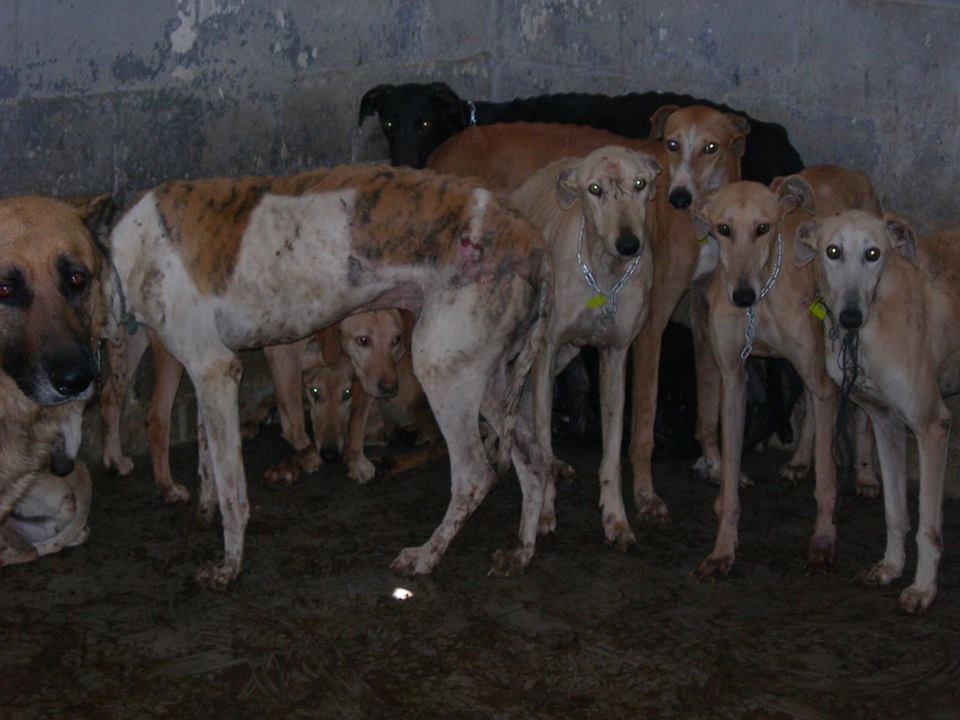
Cannibalism: Spanish authorities have sent pet food samples for testing after reports from a whistleblower. Tests have already shown fat samples to be used in animal feed had traces of both sheep and dog.
The Panama Papers
Giant Leak of Offshore Financial Records Exposes Global Array of Crime and Corruption - A massive leak of documents exposes the offshore holdings of 12 current and former world leaders and reveals how associates of Russian President Vladimir Putin secretly shuffled as much as $2 billion through banks and shadow companies. The leak also provides details of the hidden financial dealings of 128 more politicians and public officials around the world.
The cache of 11.5 million records shows how a global industry of law firms and big banks sells financial secrecy to politicians, fraudsters and drug traffickers as well as billionaires, celebrities and sports stars.
These are among the findings of a yearlong investigation by the International Consortium of Investigative Journalists, German newspaper Süddeutsche Zeitung and more than 100 other news organisations.
The files expose offshore companies controlled by the prime minister of Iceland, the king of Saudi Arabia and the children of the president of Azerbaijan and the prime minister of Pakistan.
They also include at least 33 people and companies blacklisted by the U.S. government because of evidence that they’d been involved in wrongdoing, such as doing business with Mexican drug lords, terrorist organizations like Hezbollah or rogue nations like North Korea and Iran. One of those companies supplied fuel for the aircraft that the Syrian government used to bomb and kill thousands of its own citizens, U.S. authorities have charged.
The cache of 11.5 million records shows how a global industry of law firms and big banks sells financial secrecy to politicians, fraudsters and drug traffickers as well as billionaires, celebrities and sports stars.
These are among the findings of a yearlong investigation by the International Consortium of Investigative Journalists, German newspaper Süddeutsche Zeitung and more than 100 other news organisations.
The files expose offshore companies controlled by the prime minister of Iceland, the king of Saudi Arabia and the children of the president of Azerbaijan and the prime minister of Pakistan.
They also include at least 33 people and companies blacklisted by the U.S. government because of evidence that they’d been involved in wrongdoing, such as doing business with Mexican drug lords, terrorist organizations like Hezbollah or rogue nations like North Korea and Iran. One of those companies supplied fuel for the aircraft that the Syrian government used to bomb and kill thousands of its own citizens, U.S. authorities have charged.

World leaders who have embraced anti-corruption platforms feature in the leaked documents. The files reveal offshore companies linked to the family of China’s top leader, Xi Jinping, who has vowed to fight “armies of corruption,” as well as Ukrainian President Petro Poroshenko, who has positioned himself as a reformer in a country shaken by corruption scandals. The files also contain new details of offshore dealings by the late father of British Prime Minister David Cameron, a leader in the push for tax-haven reform.
The leaked data covers nearly 40 years, from 1977 through the end of 2015. It allows a never-before-seen view inside the offshore world — providing a day-to-day, decade-by-decade look at how dark money flows through the global financial system, breeding crime and stripping national treasuries of tax revenues.
Most of the services the offshore industry provides are legal if used by the law abiding. But the documents show that banks, law firms and other offshore players have often failed to follow legal requirements that they make sure their clients are not involved in criminal enterprises, tax dodging or political corruption. In some instances, the files show, offshore middlemen have protected themselves and their clients by concealing suspect transactions or manipulating official records.
The documents make it clear that major banks are big drivers behind the creation of hard-to-trace companies in the British Virgin Islands, Panama and other offshore havens. The files list nearly 15,600 paper companies that banks set up for clients who want keep their finances under wraps, including thousands created by international giants UBS and HSBC.
The records reveal a pattern of covert maneuvers by banks, companies and people tied to Russian leader Putin. The records show offshore companies linked to this network moving money in transactions as large as $200 million at a time. Putin associates disguised payments, backdated documents and gained hidden influence within the country’s media and automotive industries, the leaked files show.
A Kremlin spokesman did not answer questions for this story, but instead went public March 28 with charges that ICIJ and its media partners were preparing a misleading “information attack” on Putin and people close to him.
The leaked data covers nearly 40 years, from 1977 through the end of 2015. It allows a never-before-seen view inside the offshore world — providing a day-to-day, decade-by-decade look at how dark money flows through the global financial system, breeding crime and stripping national treasuries of tax revenues.
Most of the services the offshore industry provides are legal if used by the law abiding. But the documents show that banks, law firms and other offshore players have often failed to follow legal requirements that they make sure their clients are not involved in criminal enterprises, tax dodging or political corruption. In some instances, the files show, offshore middlemen have protected themselves and their clients by concealing suspect transactions or manipulating official records.
The documents make it clear that major banks are big drivers behind the creation of hard-to-trace companies in the British Virgin Islands, Panama and other offshore havens. The files list nearly 15,600 paper companies that banks set up for clients who want keep their finances under wraps, including thousands created by international giants UBS and HSBC.
The records reveal a pattern of covert maneuvers by banks, companies and people tied to Russian leader Putin. The records show offshore companies linked to this network moving money in transactions as large as $200 million at a time. Putin associates disguised payments, backdated documents and gained hidden influence within the country’s media and automotive industries, the leaked files show.
A Kremlin spokesman did not answer questions for this story, but instead went public March 28 with charges that ICIJ and its media partners were preparing a misleading “information attack” on Putin and people close to him.
The leaked records — which were reviewed by a team of more than 370 journalists from 76 countries — come from a little-known but powerful law firm based in Panama, Mossack Fonseca, that has branches in Hong Kong, Miami, Zurich and more than 35 other places around the globe - The Panama Papers
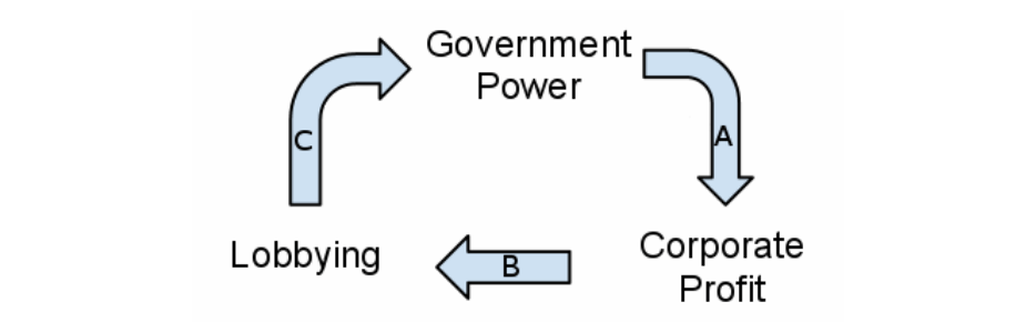
Lobbying - or people with flexible morals
Lobbying, persuasion, or interest representation is the act of attempting to influence the actions, policies, or decisions of officials in their daily life, most often legislators or members of regulatory agencies. Lobbying is done by many types of people, associations and organized groups, including individuals in the private sector, corporations, fellow legislators or government officials, or advocacy groups (interest groups).
Lobbyists may be among a legislator's constituencies, meaning a voter or bloc of voters within their electoral district; they may engage in lobbying as a business. Professional lobbyists are people whose business is trying to influence legislation, regulation, or other government decisions, actions, or policies on behalf of a group or individual who hires them. Individuals and nonprofit organizations can also lobby as an act of volunteering or as a small part of their normal job.
Governments often define and regulate organized group lobbying that has become influential. Ukrainian scientist Volodymyr Nesterovych indicates that since 2005 the process of legal regulation of lobbying has accelerated significantly – more than 10 countries have adopted specific legislation on lobbying. The regulation of this political and legal phenomenon has various models that are based on the features of the national legal systems. The United States of America, Canada, Australia and Germany have extremely detailed regulation of lobbying. By contrast, France and Denmark have adopted rules of regulation of lobbying that are based on a voluntary registration. Many countries, including Britain and Japan rely on the industry-specific self-regulation of lobbying, which is based on ethical codes of lobbying unions and associations.
The ethics and morals involved with lobbying are complicated. Lobbying can, at times, be spoken of with contempt, when the implication is that people with inordinate socioeconomic power are corrupting the law in order to serve their own interests. When people who have a duty to act on behalf of others, such as elected officials with a duty to serve their constituents' interests or more broadly the public good, can benefit by shaping the law to serve the interests of some private parties, a conflict of interest exists.
Many critiques of lobbying point to the potential for conflicts of interest to lead to agent misdirection or the intentional failure of an agent with a duty to serve an employer, client, or constituent to perform those duties. The failure of government officials to serve the public interest as a consequence of lobbying by special interests who provide benefits to the official is an example of agent misdirection - Source
Lobbying, persuasion, or interest representation is the act of attempting to influence the actions, policies, or decisions of officials in their daily life, most often legislators or members of regulatory agencies. Lobbying is done by many types of people, associations and organized groups, including individuals in the private sector, corporations, fellow legislators or government officials, or advocacy groups (interest groups).
Lobbyists may be among a legislator's constituencies, meaning a voter or bloc of voters within their electoral district; they may engage in lobbying as a business. Professional lobbyists are people whose business is trying to influence legislation, regulation, or other government decisions, actions, or policies on behalf of a group or individual who hires them. Individuals and nonprofit organizations can also lobby as an act of volunteering or as a small part of their normal job.
Governments often define and regulate organized group lobbying that has become influential. Ukrainian scientist Volodymyr Nesterovych indicates that since 2005 the process of legal regulation of lobbying has accelerated significantly – more than 10 countries have adopted specific legislation on lobbying. The regulation of this political and legal phenomenon has various models that are based on the features of the national legal systems. The United States of America, Canada, Australia and Germany have extremely detailed regulation of lobbying. By contrast, France and Denmark have adopted rules of regulation of lobbying that are based on a voluntary registration. Many countries, including Britain and Japan rely on the industry-specific self-regulation of lobbying, which is based on ethical codes of lobbying unions and associations.
The ethics and morals involved with lobbying are complicated. Lobbying can, at times, be spoken of with contempt, when the implication is that people with inordinate socioeconomic power are corrupting the law in order to serve their own interests. When people who have a duty to act on behalf of others, such as elected officials with a duty to serve their constituents' interests or more broadly the public good, can benefit by shaping the law to serve the interests of some private parties, a conflict of interest exists.
Many critiques of lobbying point to the potential for conflicts of interest to lead to agent misdirection or the intentional failure of an agent with a duty to serve an employer, client, or constituent to perform those duties. The failure of government officials to serve the public interest as a consequence of lobbying by special interests who provide benefits to the official is an example of agent misdirection - Source
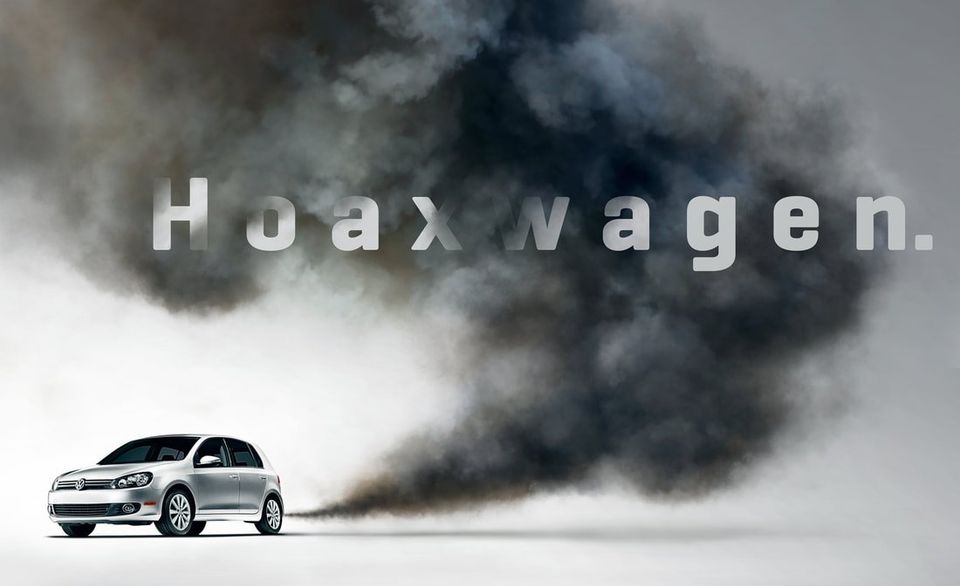
Lobbying has a bad reputation – for many, it conjures up images of greed and those with wealth and power taking unfair advantage of the weak. Multiple scandals throughout Europe demonstrate that without clear and enforceable rules, those who have the best connections and more resources at their disposal can come to dominate political decision-making.
Quite notable is the Volkswagen scandal – at face value a story of environmental recklessness and the deception of consumers and regulators on a grand scale, but one with undercurrents of undue influence, privileged access and aggressive lobbying in the private interest. With a reported annual expenditure of €3.3 million and 43 employees involved in the company’s EU lobbying activities, Volkswagen is in the top 10 companies and groups spending the most on lobbying the EU. Car industry lobbyists are also very present in the Commission's expert groups, which have drafted important legislation on environmental standards for the automobile industry. VW sits in five of these influential expert groups.
With these international standards at their disposal, governments have no more excuses: priorities should include making lobbyist registers mandatory and enforceable; introducing a legislative footprint to ensure full transparency of decision-making processes; and promoting participation in public decision-making from individuals and groups with a range of perspectives.
This plurality of voices and greater transparency in lobbying would reduce the likelihood of poor decisions being taken in the private interest, decisions that can have a detrimental impact on society and the environment - Source
Quite notable is the Volkswagen scandal – at face value a story of environmental recklessness and the deception of consumers and regulators on a grand scale, but one with undercurrents of undue influence, privileged access and aggressive lobbying in the private interest. With a reported annual expenditure of €3.3 million and 43 employees involved in the company’s EU lobbying activities, Volkswagen is in the top 10 companies and groups spending the most on lobbying the EU. Car industry lobbyists are also very present in the Commission's expert groups, which have drafted important legislation on environmental standards for the automobile industry. VW sits in five of these influential expert groups.
With these international standards at their disposal, governments have no more excuses: priorities should include making lobbyist registers mandatory and enforceable; introducing a legislative footprint to ensure full transparency of decision-making processes; and promoting participation in public decision-making from individuals and groups with a range of perspectives.
This plurality of voices and greater transparency in lobbying would reduce the likelihood of poor decisions being taken in the private interest, decisions that can have a detrimental impact on society and the environment - Source
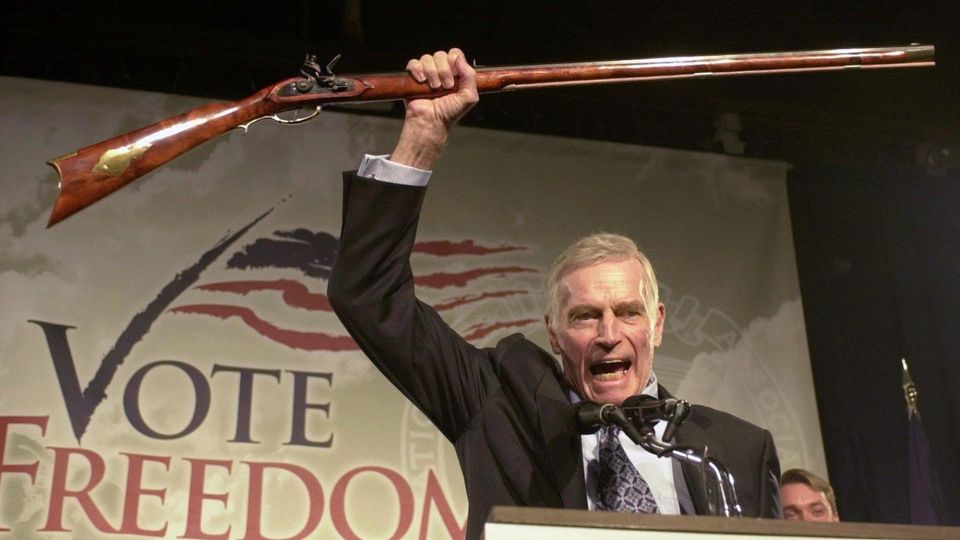
The National Rifle Association (NRA) spent $1.6 million during the first half of 2019 lobbying Congress against laws that would enact stricter background checks for people looking to buy guns, according to disclosure reports - Source